A verified AI agent can still pay a scammer.
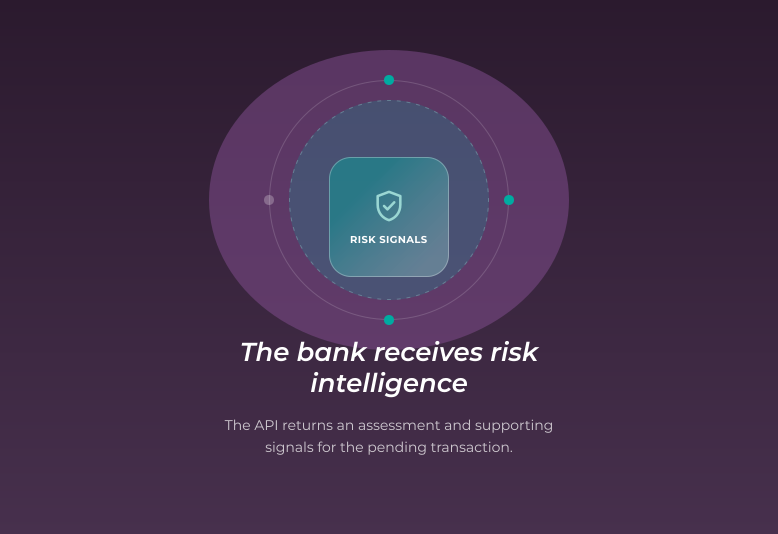
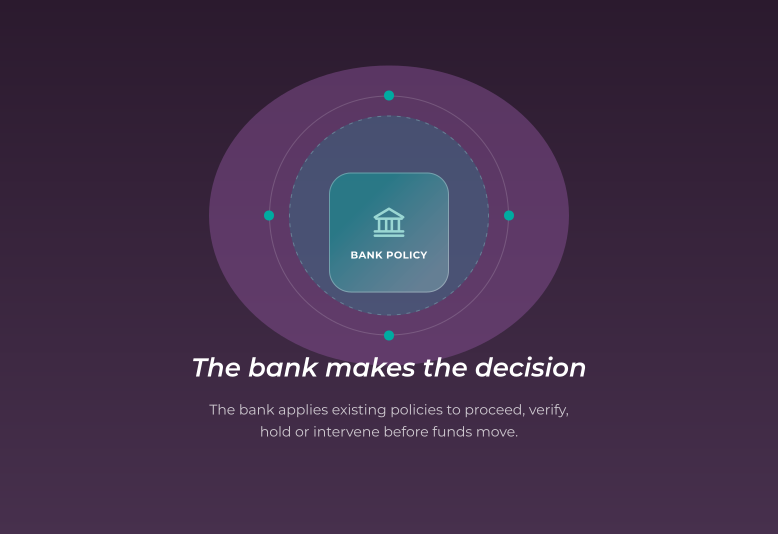
Before an authorized AI agent moves money, Agent Trust helps banks assess whether the payment makes sense for the customer, combining recipient risk, transaction history, and physical social graph evidence to identify suspicious transactions.
Incognia helps banks assess who is receiving the money, using real-world relationships, recipient risk signals and transaction history to identify suspicious payments before funds move.
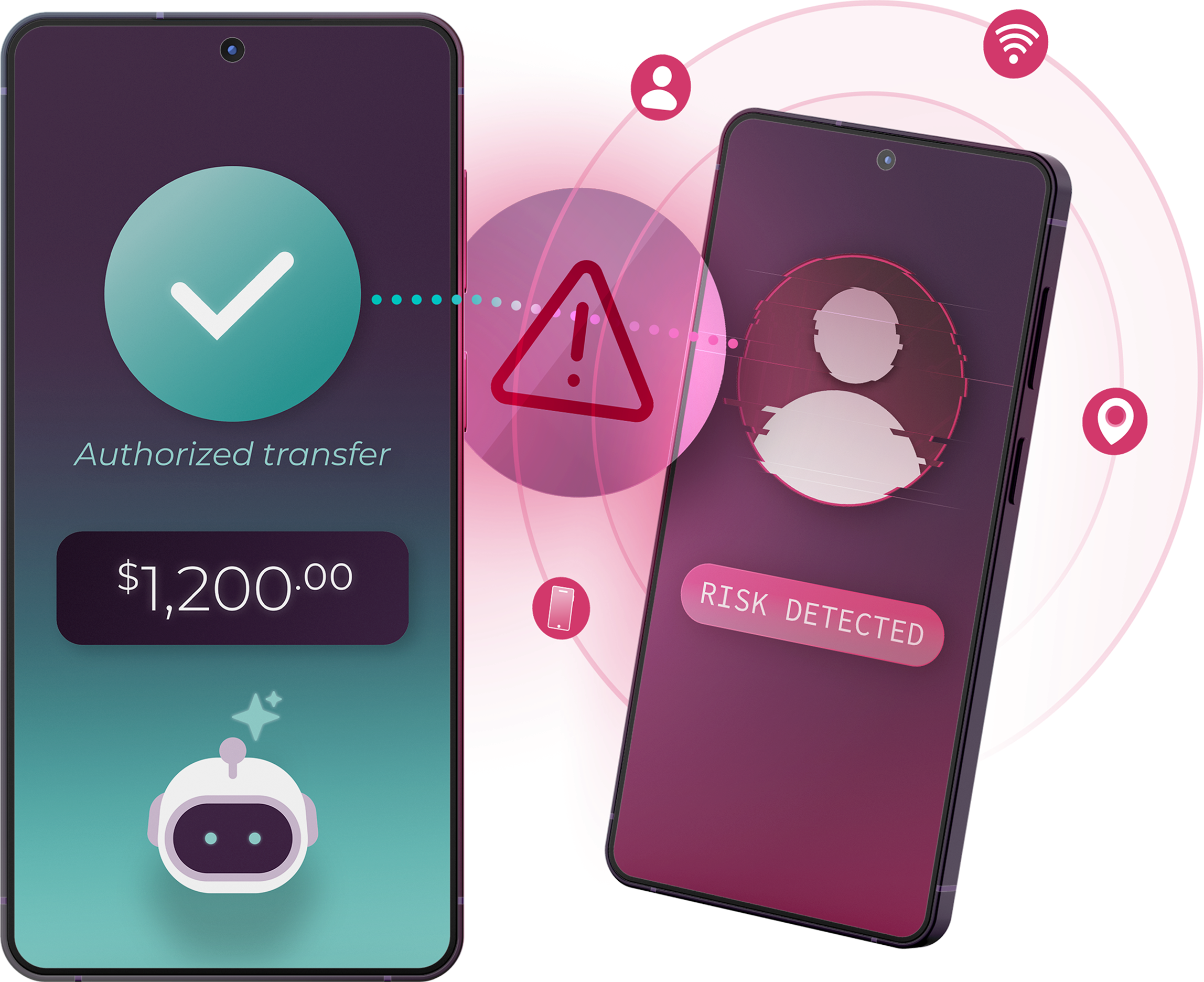
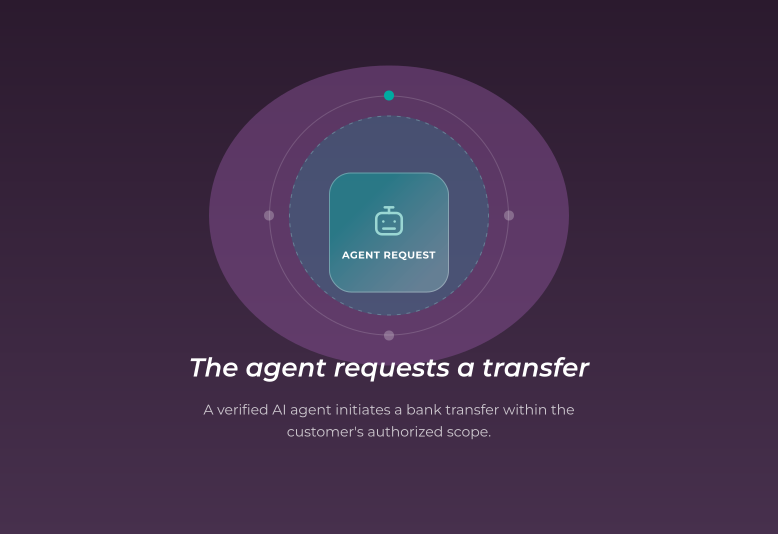
Agent verification is the starting point.
Not the finish line.

Agent detection & authentication

Customer verification & approval

Intent Intelligence
sense for the customer?
Check the recipient
before the money moves.
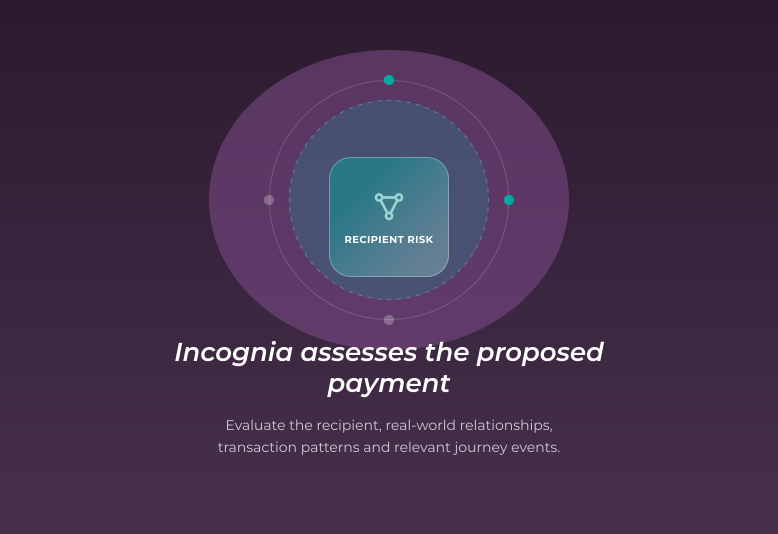
Agent Trust assesses recipient risk, real-world relationships, and other potential real-world relationships to identify suspicious AI-initiated payments.
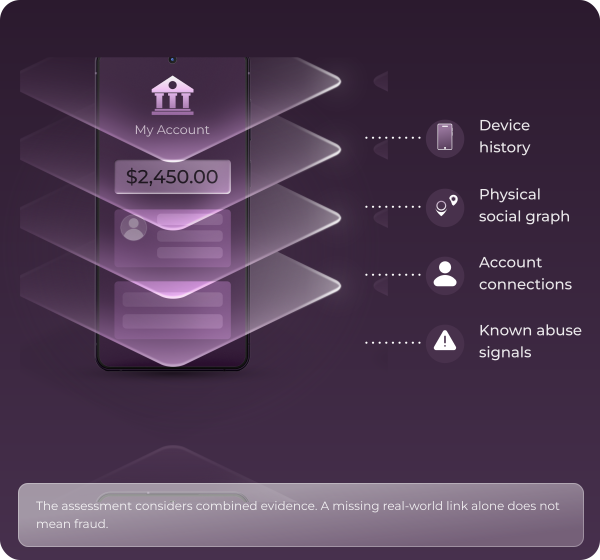
- Recipient risk Identify suspicious connections between recipients, devices, accounts, and known fraudulent activity.
- Real-world relationships Use Incognia's physical social graph to surface evidence indicative of real-world relationships between sender and recipient.
- Transaction context Consider payment patterns and preceding events such as a newly added payee or recent device change.
Digital transactions.
Real-world intelligence.
AI agents operate in the digital world. Incognia brings context from the physical world.
Our Physical Social Graph combines persistent device recognition and apartment-level location intelligence to identify evidence of real-world relationships between people.
- Apartment-level precision Recognize trusted locations and distinguish activity at individual apartments, even within the same building.
- Persistent device recognition Connect devices to their established history, including after resets and reinstalls when recognition is possible.
- Relationship evidence Assess connections between senders, recipients and known abuse.
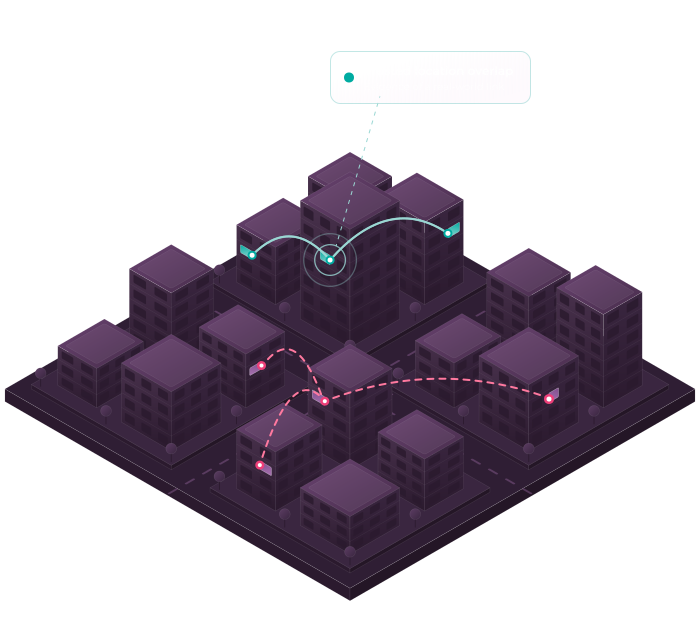
Relationships can reveal payment risk.
Incognia analyzed more than 300 million transactions to understand how physical-world relationships appear in legitimate payments and reported scams.
These are observed relationships, not a fraud detection rate or a standalone decision rule.
From verified agent to informed payment decision.
What banks
should know.
If an AI agent is authenticated, isn't the payment safe?
Not necessarily. Authentication provides evidence about the agent, but it doesn't establish whether a recipient is trustworthy or whether a transaction fits the customer's established activity.
Does an unfamiliar recipient mean fraud?
Not necessarily. Authentication provides evidence about the agent, but it doesn't establish whether a recipient is trustworthy or whether a transaction fits the customer's established activity.
Does Intent Intelligence automatically block a payment?
Not necessarily. Authentication provides evidence about the agent, but it doesn't establish whether a recipient is trustworthy or whether a transaction fits the customer's established activity.
How does this relate to Real-Time Scam Prevention?
Not necessarily. Authentication provides evidence about the agent, but it doesn't establish whether a recipient is trustworthy or whether a transaction fits the customer's established activity.