Apartment-level precision for stronger fraud decisions
Connect digital activity to real-world location patterns with apartment-level precision to uncover repeat abuse and suspicious relationships.
Trusted by leading fintechs, marketplaces, and gig platforms





Recognize trusted activity and uncover repeat abuse.
WHAT INCOGNIA RECOGNIZES
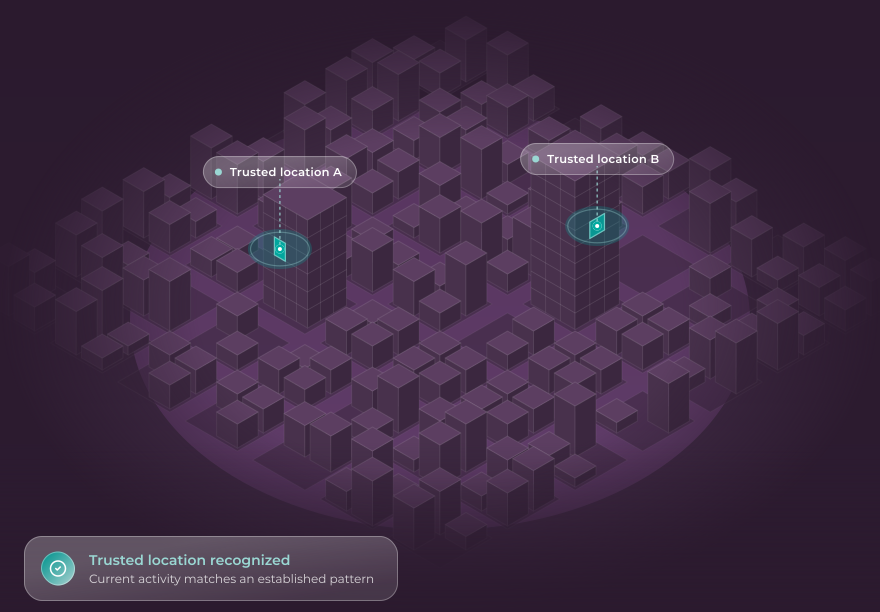
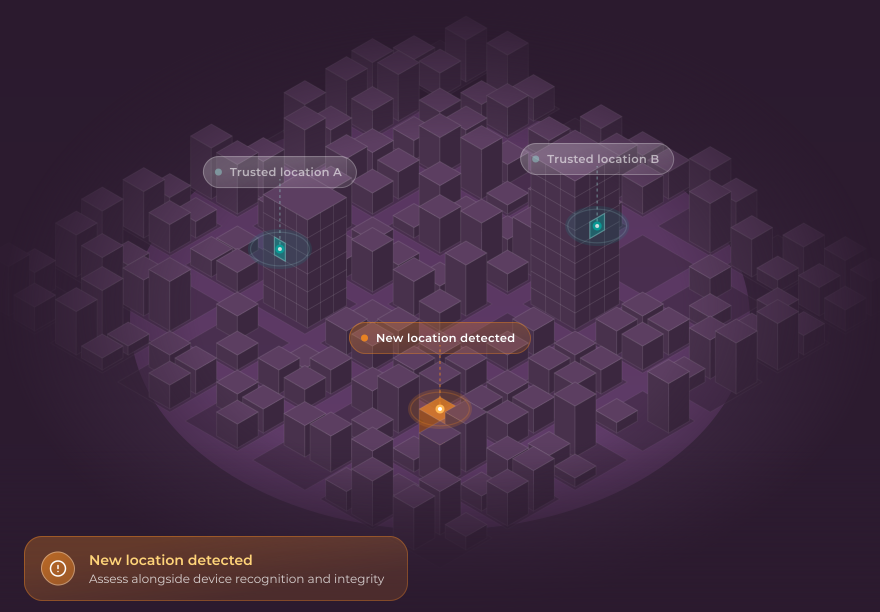
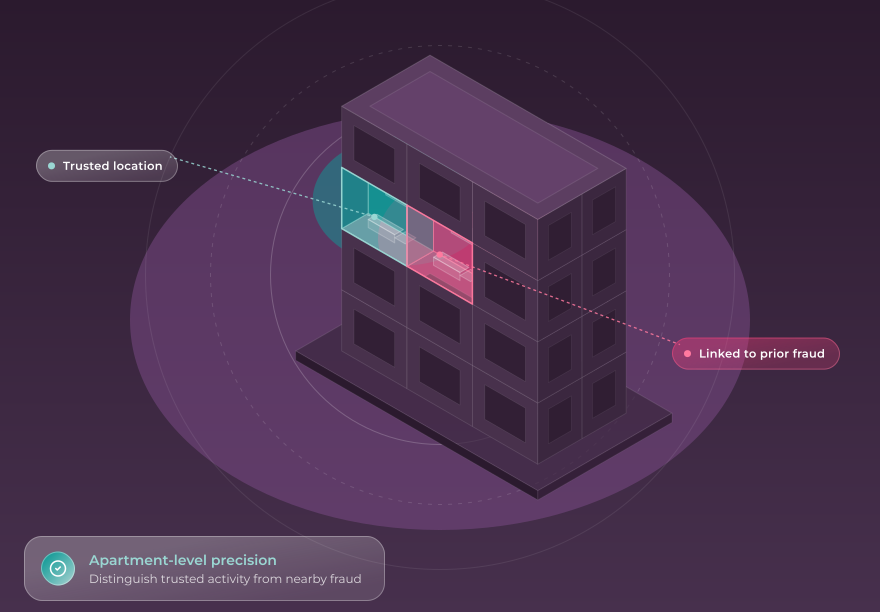
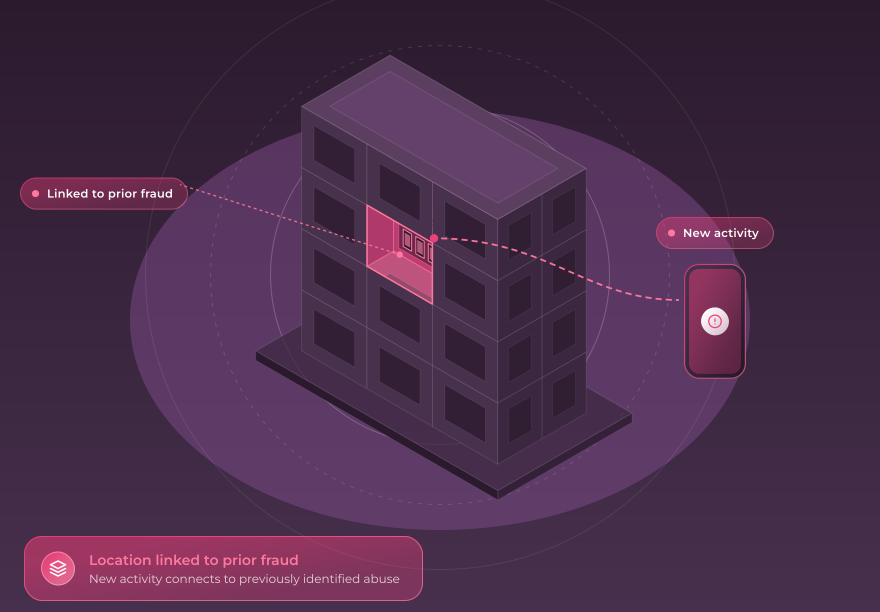
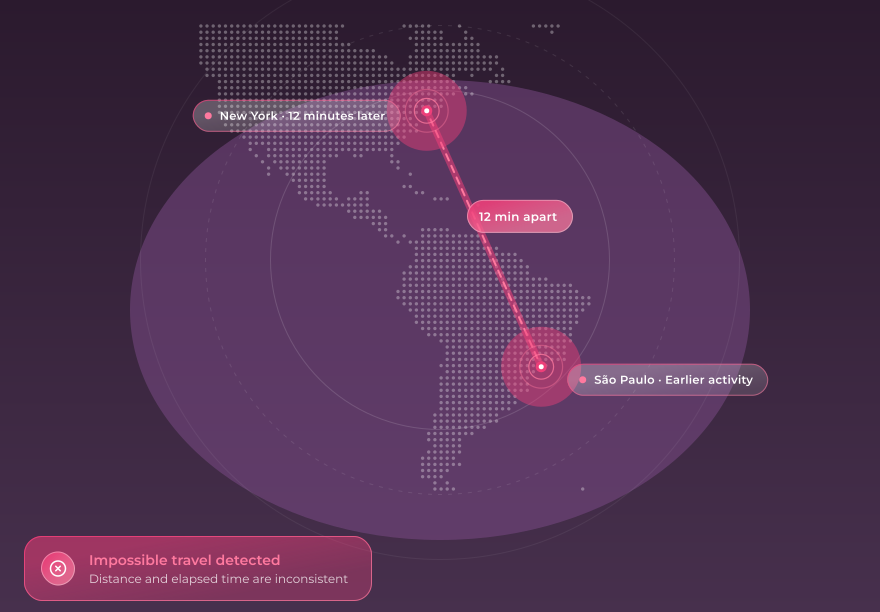
Fraud prevention requires precision.
| Criteria | Incognia's Location Intelligence | GPS | IP Address |
|---|---|---|---|
| Accuracy | Apartment-level precision. Distinguishes between units within the same building. | Precise outdoors, unreliable indoors. Can't tell which floor or unit. | City-level at best. Unreliable for fraud prevention. |
| Tamper resistance | Uses multiple signals. Detects spoofed coordinates and mock location tools. | Can be spoofed with mock location apps and developer tools. | Easily masked with VPN or proxy. |
| Claimed location validation | Checks whether a claimed address is consistent with observed location patterns. | A coordinate can be compared with an address; one reading does not establish an ongoing location pattern. | No validation capability. IP and claimed address are unrelated signals. |
| Fraud cluster detection | Identifies multiple accounts operating from the same physical address, down to the unit. | No clustering capability. Each reading is a snapshot with no account context. | Same-IP clustering only. Trivially bypassed with a proxy. |
| Location history | Builds a trusted location baseline per user over time. Flags first-time and anomalous locations automatically. | Snapshot only. Raw coordinates don't create a behavioral baseline. | No memory or baseline. Every request looks the same. |
What fraud teams use Location
Intelligence for.

New account fraud

Fake and mismatched addresses

Account takeover signals

Trusted location for logins and transactions

Payment scams and suspicious recipients

Geo-compliance and restricted regions

Fraud rings and farms

Promotion and incentive abuse
CASE STUDY
A 15M-user neobank authenticates 92% of instant payments without friction using location intelligence.
-
92%
of payments authenticated
without friction -
0.02%
high-risk
transaction rate - 15M users protected
See it in action.
Common questions
How is Location Intelligence different from IP-based geolocation?
IP-based geolocation estimates location from an internet connection. Incognia combines device and environmental signals to provide apartment-level indoor location intelligence. By analyzing both current activity and historical location patterns, it helps your team recognize familiar environments and identify connections to suspicious activity that an IP address alone cannot reveal.
What is a Trusted Location?
A Trusted Location is a place a device regularly visits over time. Recognizing activity from a familiar location provides context for assessing risk and reducing unnecessary verification for trusted users. Incognia evaluates this context alongside device recognition and integrity signals to inform the risk assessment.
How does Location Intelligence help detect fraud?
Location intelligence helps connect digital activity to patterns in the physical world. It can reveal devices and accounts operating from locations associated with previous fraud, helping teams investigate repeat abuse and coordinated activity. It also helps assess whether a login or transaction is consistent with a device's established location history.
How does Incognia detect location spoofing?
Incognia combines multiple location signals with tamper detection to identify inconsistencies and signs of manipulation. This helps your team assess whether the reported location is reliable and recognize attempts to disguise where activity is taking place.